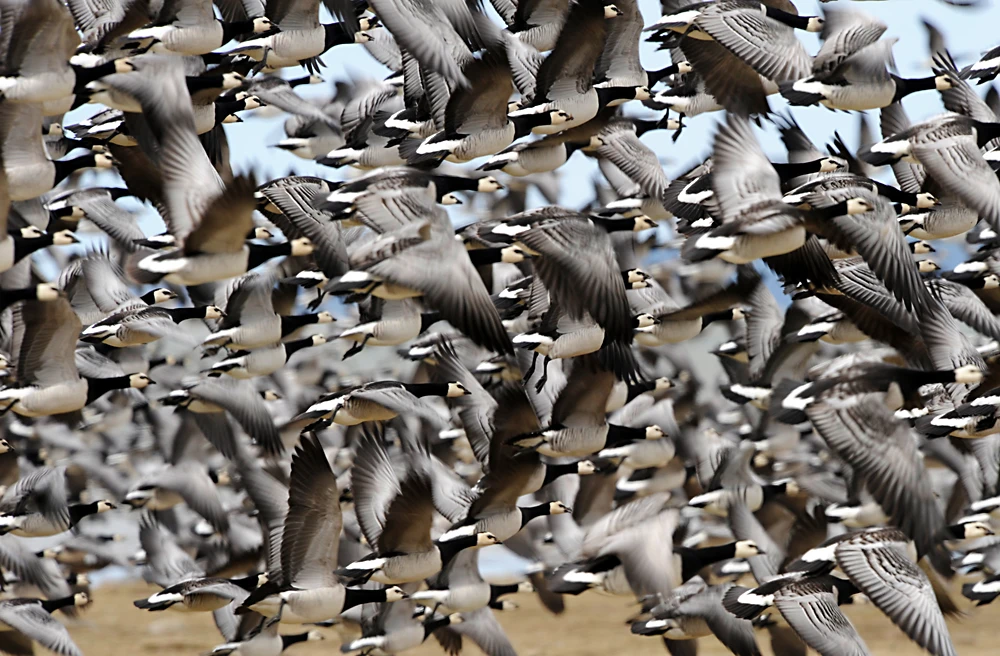
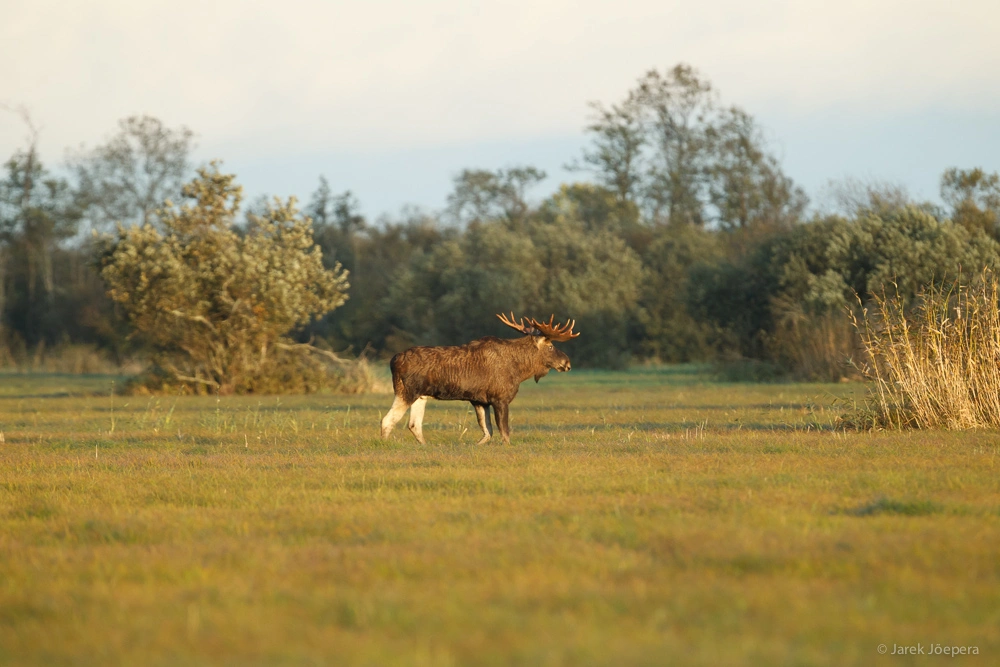
After the summer has passed, Estonian birds and mammals have become active again. The sight of hundreds or even thousands of cranes and geese gathered on the fields or flying overhead is not uncommon during this tour. Near the sea, it’s possible to observe one of the most spectacular arctic waterfowl migrations in Europe. Overwintering birds, such as woodpeckers, owls, and forest grouse, become more active and visible again. Not to mention, Estonia has one of the best locations to observe a strong visible passerine migration in Matsalu National Park, where morning skies are filled with hundreds of Long-tailed Tits fighting the wind together with various finches, tits, thrushes, and Common Jays. Besides birds, Estonia is also well known for its mammals, who similarly, have become more active – It’s the rutting time for Elk, who gather on vast meadows, young wolves are learning how to hunt and howl and Brown Bears and Raccoon Dogs are trying to fatten up for the forthcoming winter. This tour is a combination of birding and mammal-watching.
Highlights
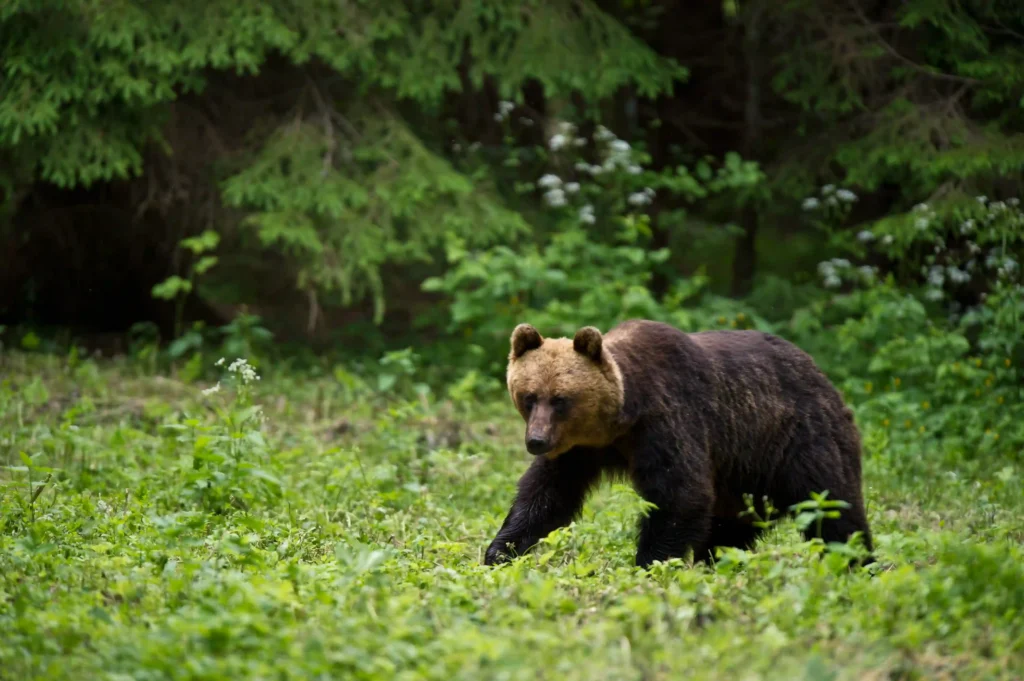
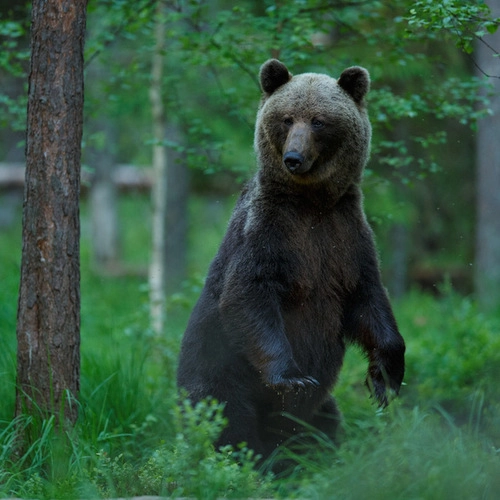
- Brown bear watching in their natural environment.
- Elk tour to the rutting grounds
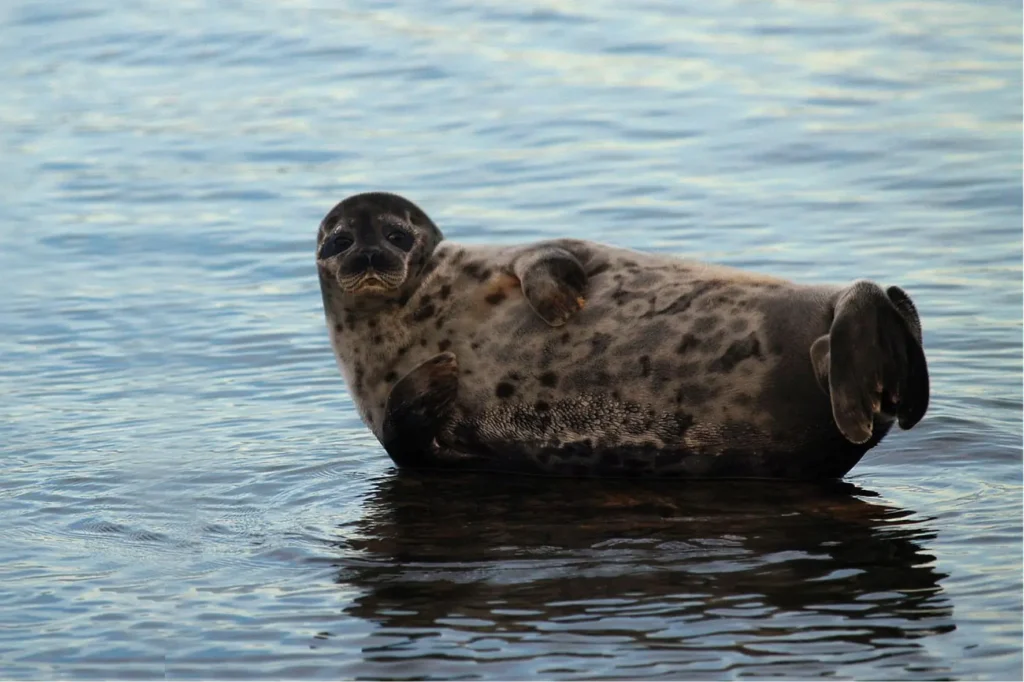
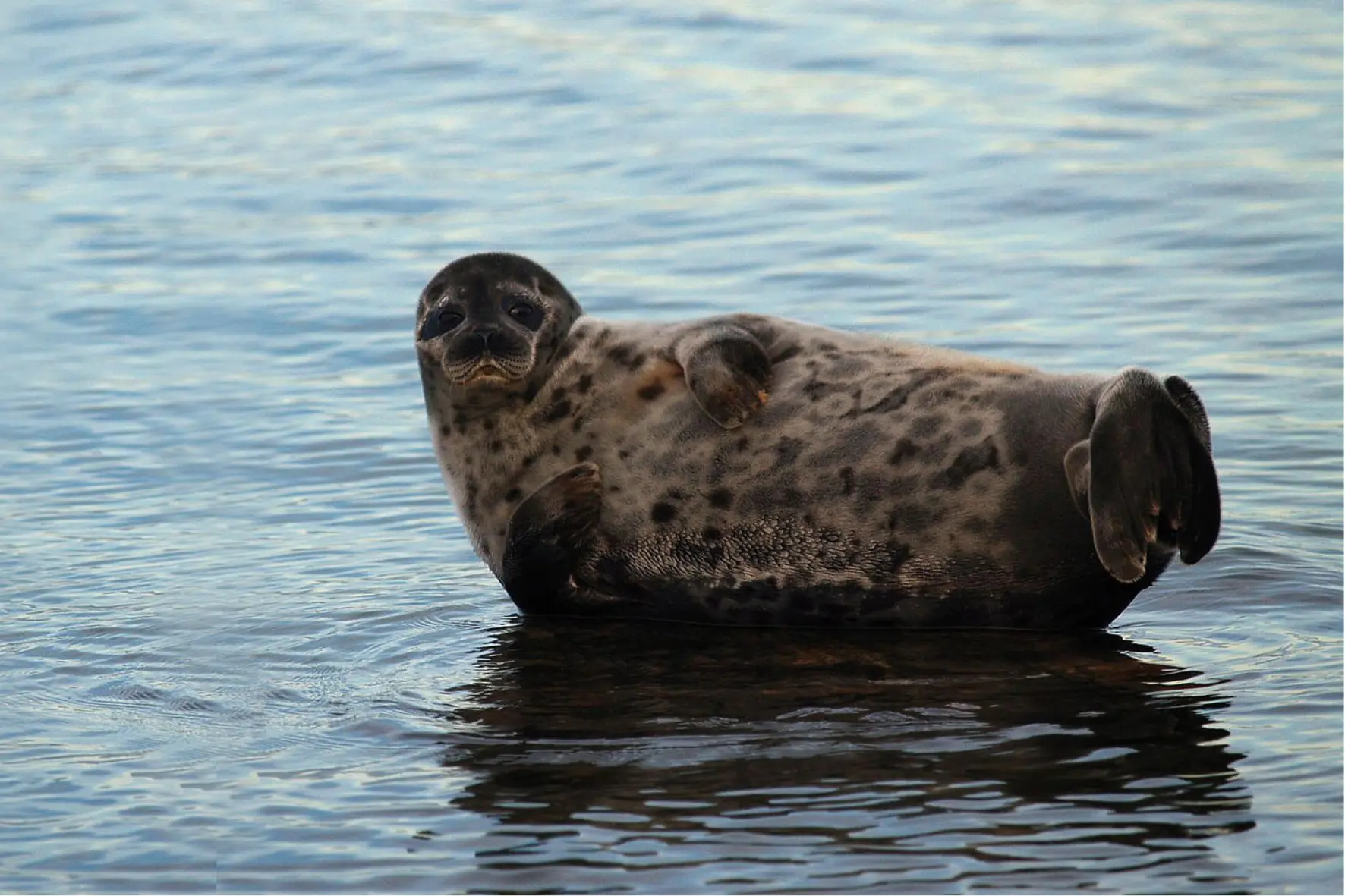
- Boat Trip on the Baltic to watch the Ringed Seals
- Mass migration of thousands of birds
- Walking through Breathtaking raised bogs, ancient forests, and natural coastlines
- Moorwanderung auf Hochmoor
- Guided tour of Tallinn
Overview
The small country of Estonia is unique in Europe for its landscape diversity and fascinating wildlife. Vast raised bogs spread out next to orchid-rich juniper heaths. In the forests of the “Western Taiga,” Elks, Wolves, Lynxes and Brown Bears roam. Off the undeveloped Baltic coast lie countless, often uninhabited islands These are home to rare Ringed Seals and serve as a hub for European bird migration with cranes, northern geese, and swans. Many of these species we wish to see up close, hear, or discover their tracks. On this trip, we will visit Estonia’s most important protected areas, such as the Lahemaa and Matsalu National Parks. We will overnight in a comfortable bear watching hide. We will explore walking in the forests or in the raised bogs. We will travel by boat on the Baltic Sea from island to island to see the seals. We also want to learn something about the history of the Baltic region. Thus, we will visit a manor house, a bishop’s castle, and of course, take a walk through medieval Tallinn.
Upon arrival in Tallinn, we first drive west to the Matsalu National Park. Here, we will stay in a guesthouse in a stunning location, close to the Baltic Sea. With numerous islands off the coast, shallow Matsalu bay and the Kasari River Delta, it is an important bird sanctuary. In autumn and spring, thousands of White-fronted, Bean, Barnacle geese and Cranes rest here. During a hike, you may also spot moose, which find plenty of young greenery here in May and their mating grounds from September onwards.
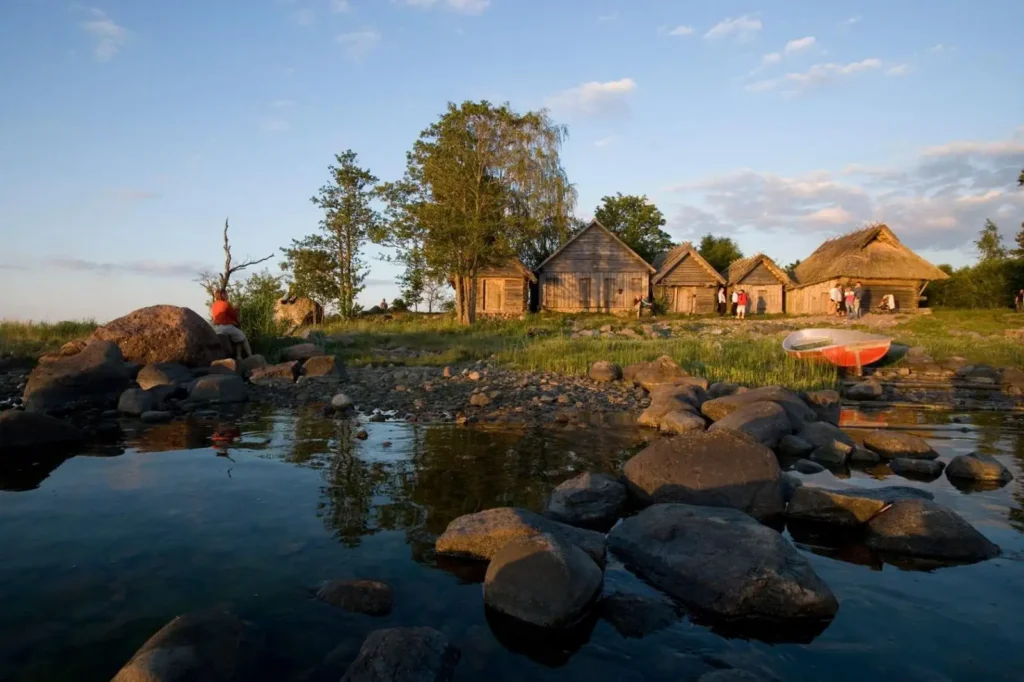
Ferry crossing to Hiiumaa (approx. 1 hour), Estonia’s second-largest island. You have a good chance to see various Grebes, Eiders, Scoters, Goldeneye and other sea ducks. Occasionally, you may spot Grey Seals on a small island near the ship. Continuing by motorboat to the offshore small islands, you should get a chance to see the native Baltic Ringed Seals. They curiously look out of the water or lie on the rocks in the shallow sea. After visiting the uninhabited small island of Saarnaki, where we will explore the historic houses and surrounding juniper forests, return to Matsalu.
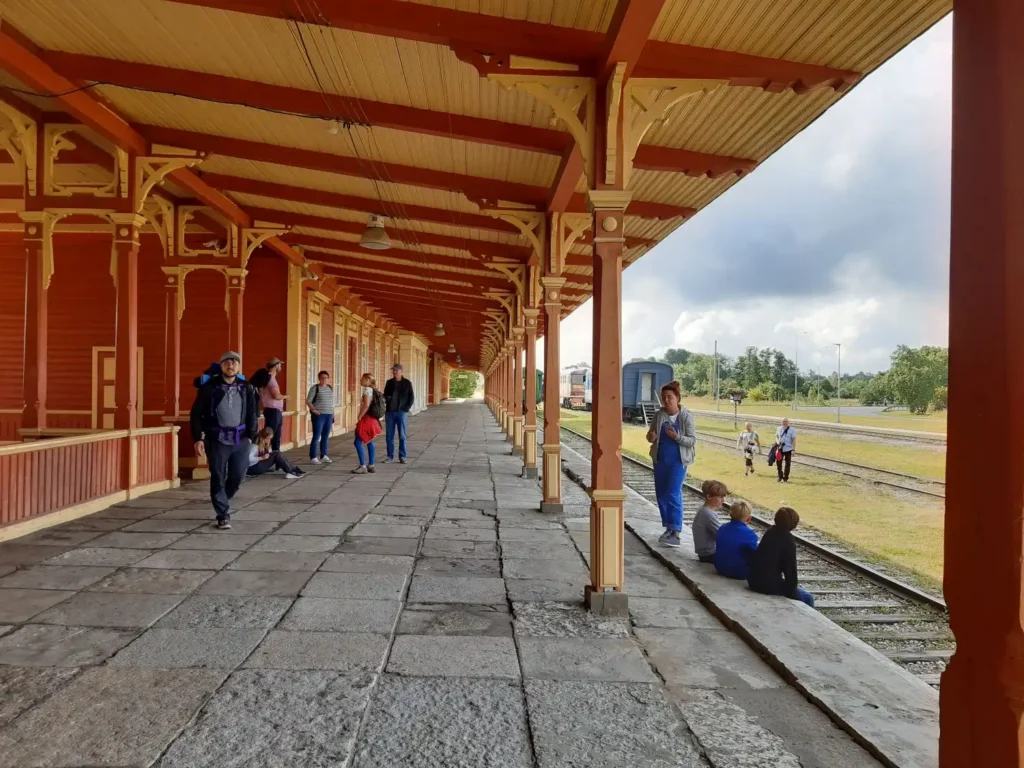
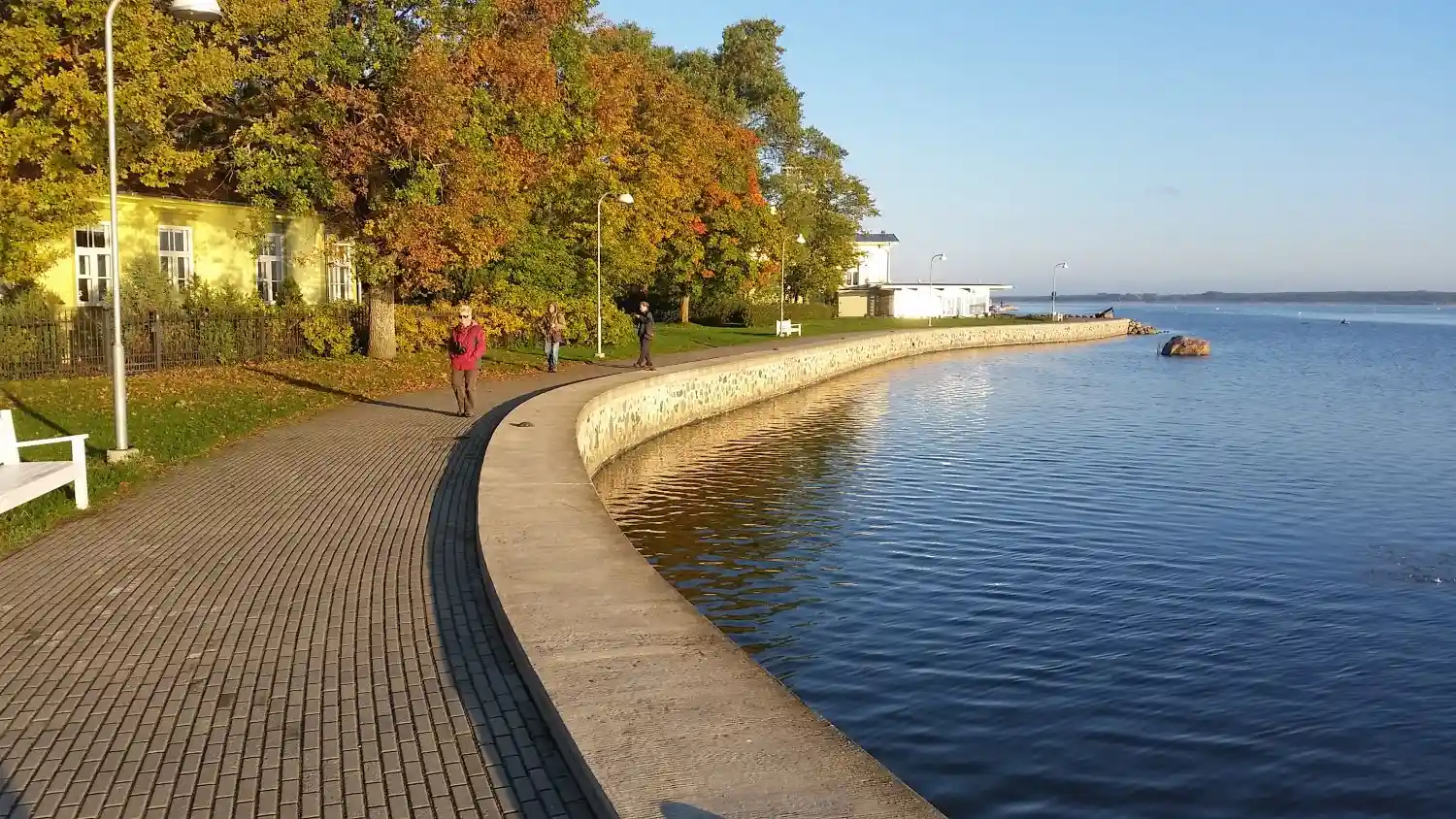
Early start to the swamp landscape of the Kasari Delta. Elks moving along natural trails through floodplain meadows and reed areas. In spring and autumn, not only large numbers of northern geese migrate through here, but also swans and cranes, which can be easily observed. In the afternoon, you will visit the lagoon city of Haapsalu, the former spa town of the Russian tsars. Notable are the impressive Bishop’s Castle, the historic seaside promenade and the Old Town with the town hall, Art Nouveau wooden railway station, winding alleys and wooden houses. In the afternoon, we will visit Cape Põõsaspea, the best place in Estonia for observing arctic waterfowl migration. In the evening, you will go on an excursion around the Leidissoo bog, a habitat for Ural and Pygmy owls. Sometimes we may also hear wolves howling from the surrounding forests as the pups communicate with their parents.
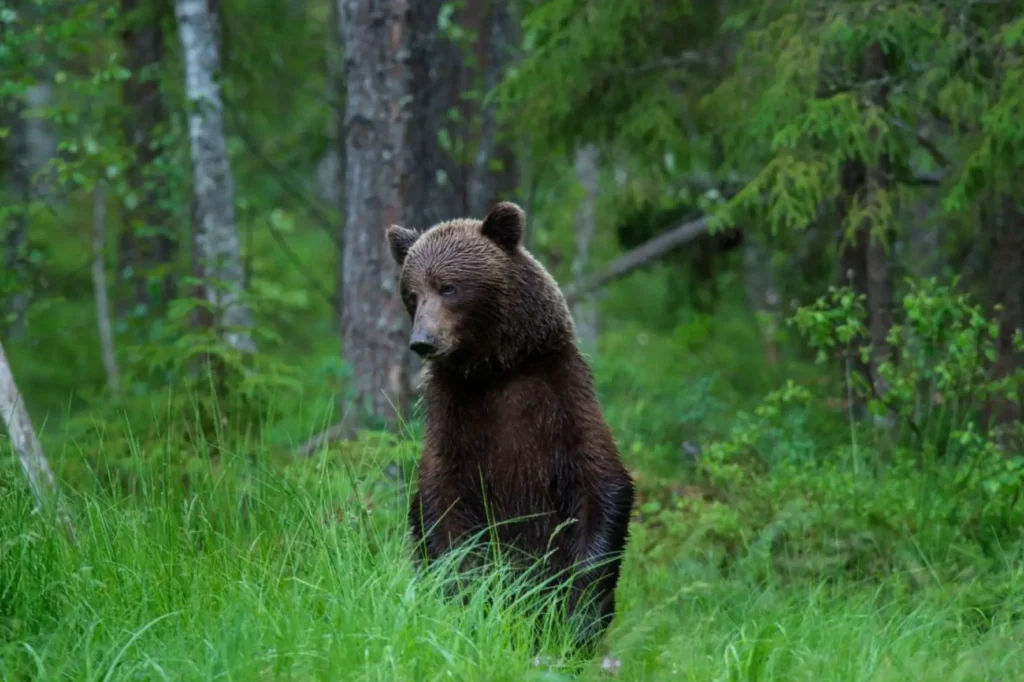
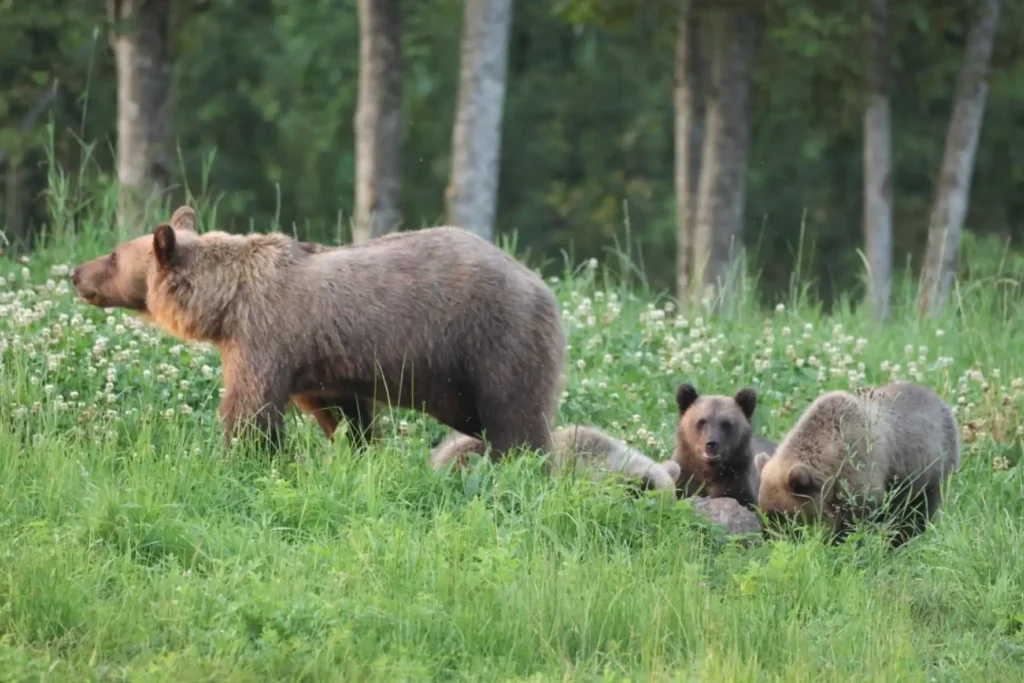
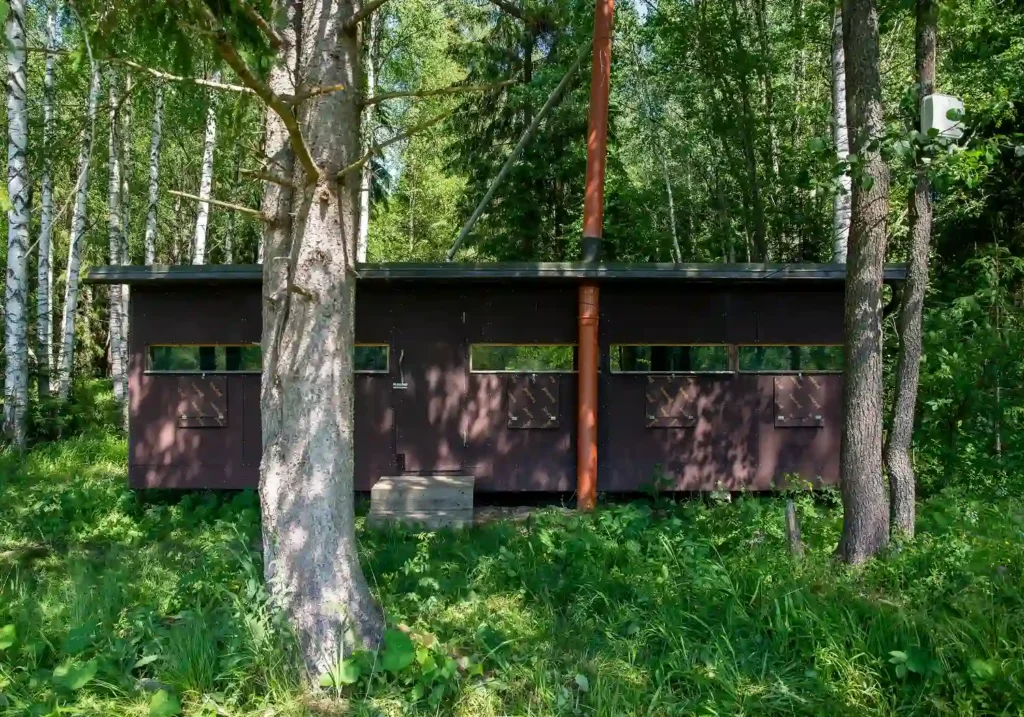
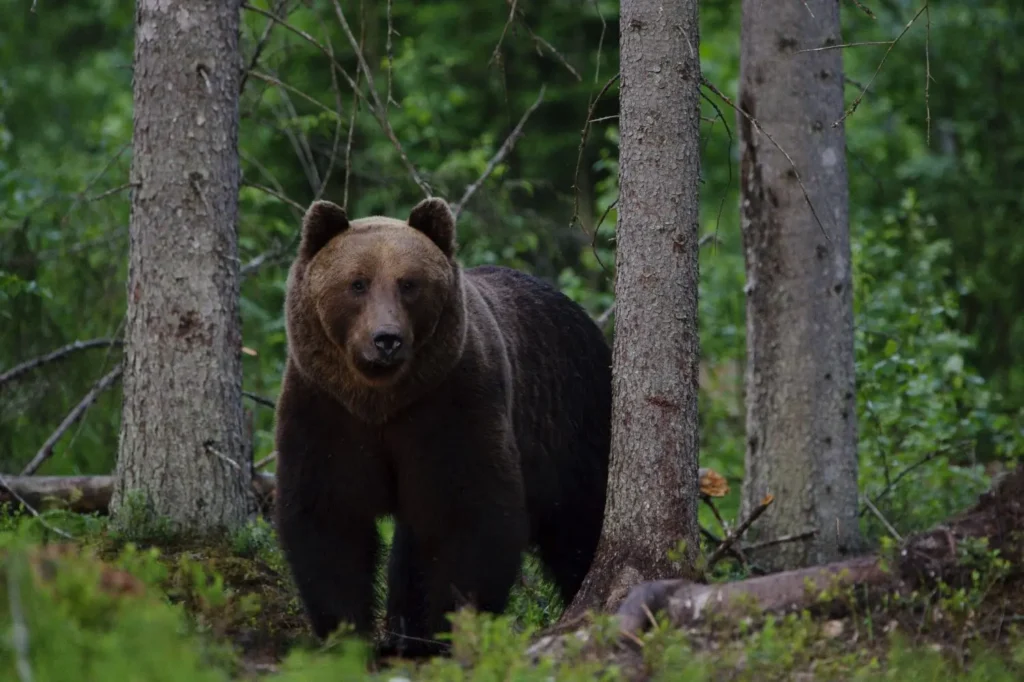
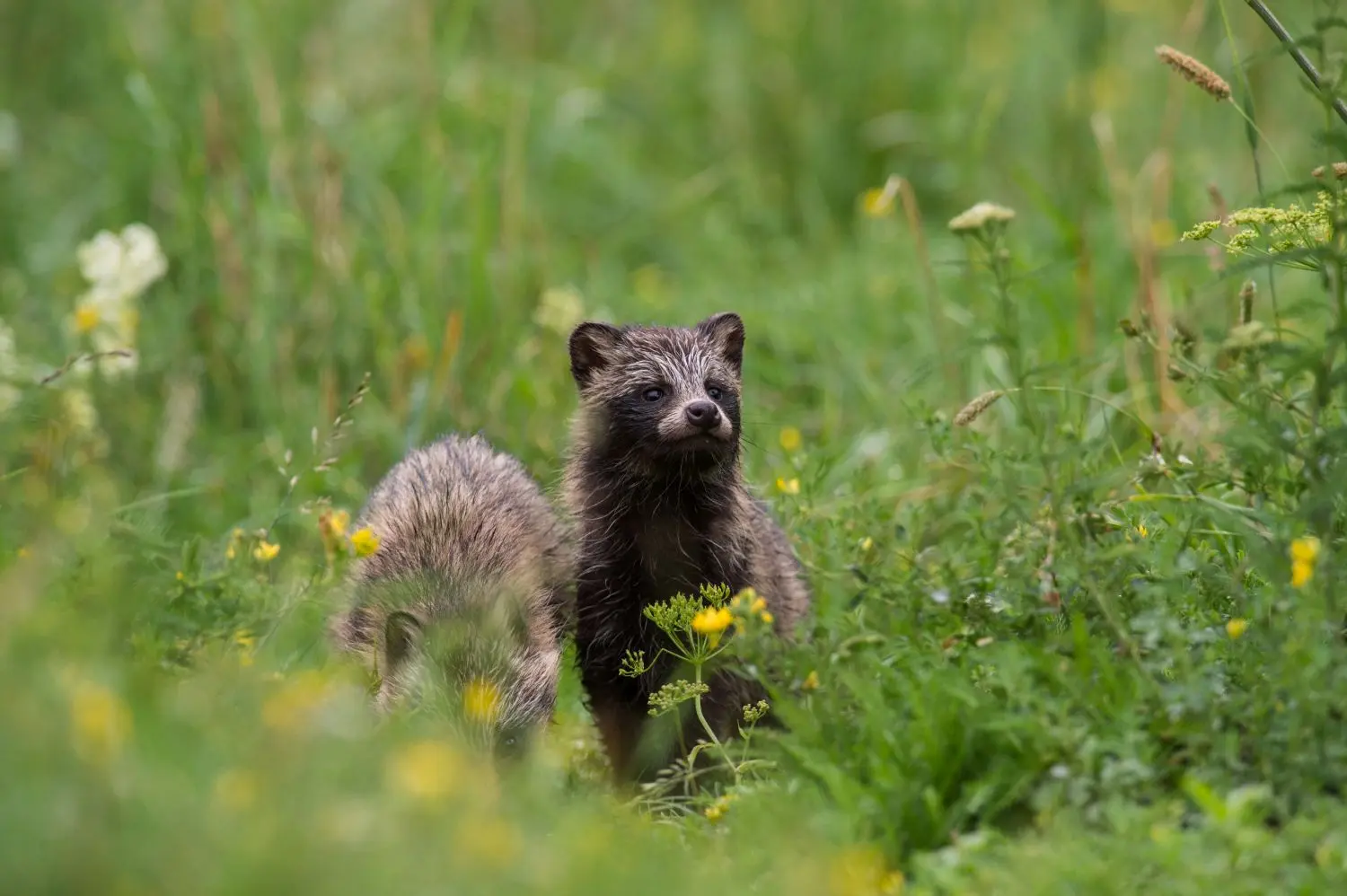
The drive northeast takes about 3 hours and then, for those who wish very special excursion is available: a trip to see the brown bears! We will travel towards the northeastern Alutaguse National Park, recently established in 2018, with vast areas of moors and forests. Around 400 brown bears live here, almost half of Estonia’s bear population. On a short hike, you will search for bear tracks, claw marks on trees and winter nests before settling in a comfortable bear observation cabin with bunk beds, a dry toilet, and photo openings. From here, is very good chance safely watch Brown Bears, Raccoon Dogs, occasionally Moose, Wild Boar, Badger and sometimes even Wolves or Lynx. In addition to mammals, you may also spot various passerine as well as woodpeckers and owls. For those who do not wish to observe the bears as intensively, it is possible to stay at the hotel (this must be specified at the time of booking).
In the morning, we drive to Lahemaa, passing through the Alutaguse forests where we have a good chance of seeing Capercaillie, Black and Hazel Grouse. After a hearty breakfast in Rakvere, we continue on to Lahemaa National Park.
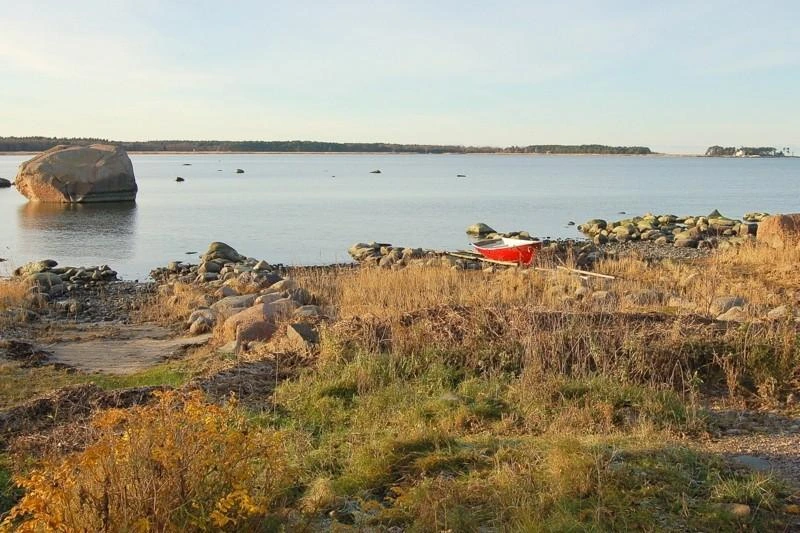
Established in 1971, Lahemaa is the oldest and largest national park in Estonia. Here, we find protected northern coastal landscapes with huge boulders, raised bogs and taiga-like forests. As a cultural highlight of the protected area we visit the beautiful manor houses and traditional Estonian fishermen’s houses. For wildlife lovers, Lahemaa National Park has several observation towers and nature trails.
In the afternoon, we take a walk along the Finnish Gulf, where birds such as Red-breasted Mergansers, Brent Geese, Whooper and Tundra Swans migrate to Finland.
Lahemaa is also one of the largest forest protection areas in Europe. In the morning, we hike through taiga primeval forests with many fallen tree trunks and deadwood. We take plenty of breaks, listen and look around because our goal is to identify forest birds, especially the Three-toed, Grey, and White-backed Woodpeckers.
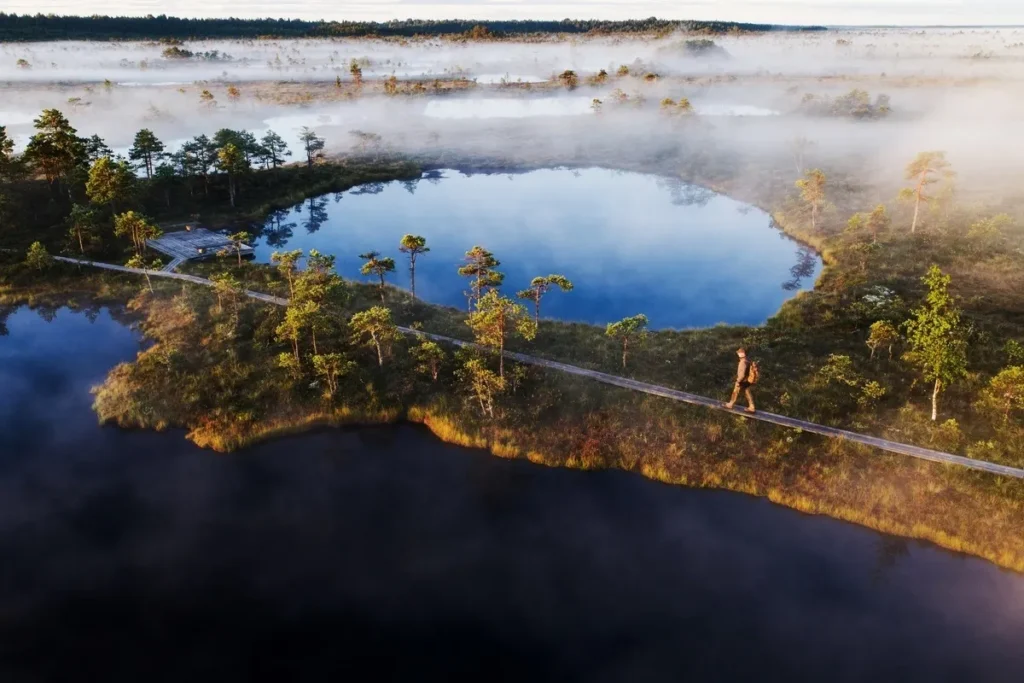
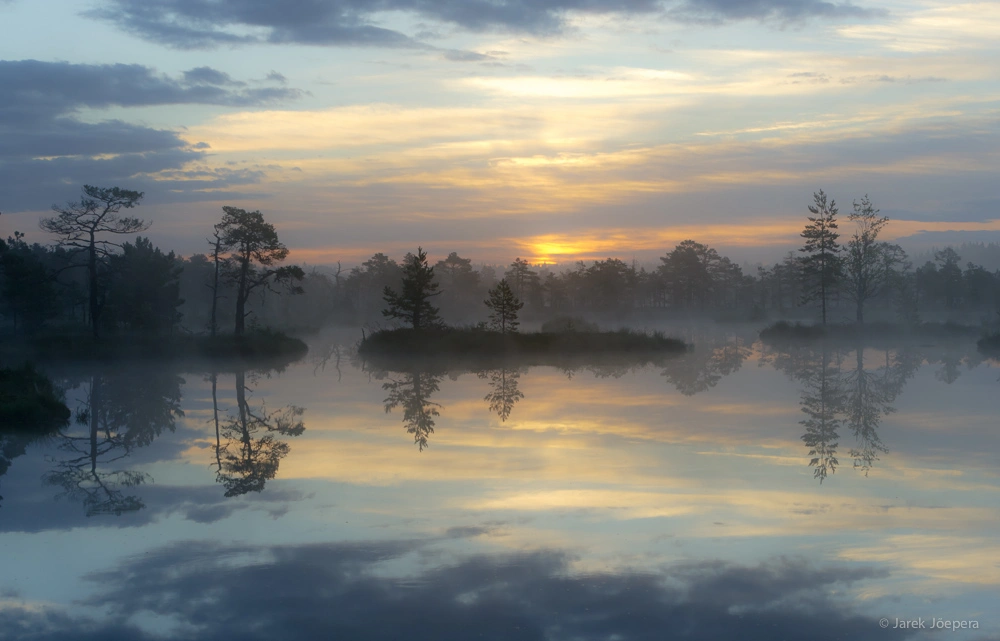
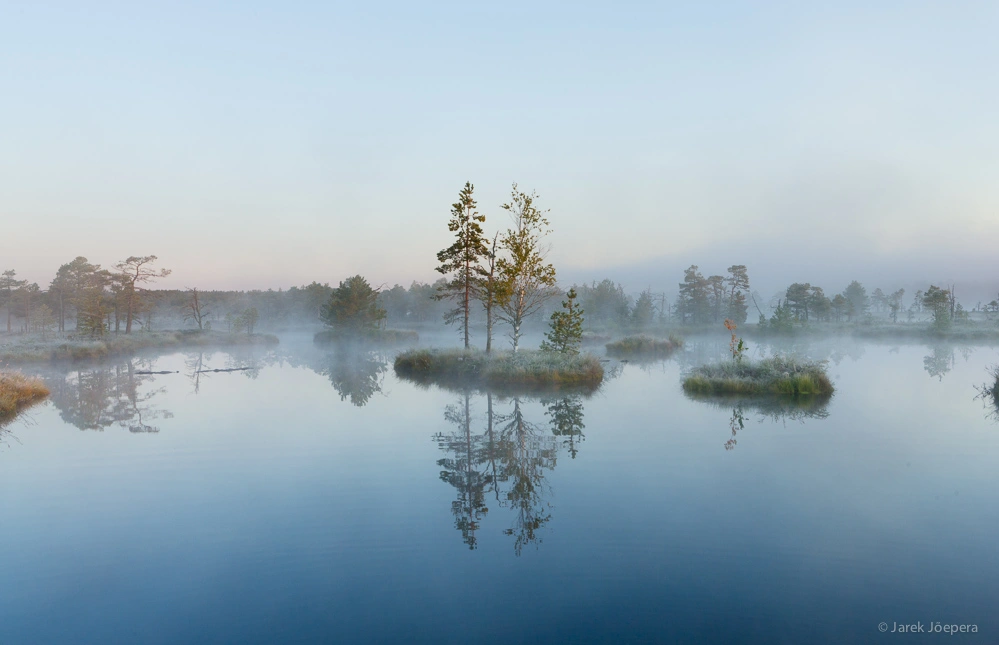
In the afternoon, a visit to the raised bog is on the agenda. The raised bogs are partially ten-thousand-year-old natural landscapes with peat layers up to 7 meters thick and water content up to 95%. Between the bonsai pines, there are bog ponds with clear water. Bird species such as Golden Plover, Golden Eagle, Great Grey Shrike and plants like Bog Rosemary and Crowberry can be found here.
In the evening, we return to the taiga forest because Lahemaa, with its abundant habitats, hosts a very good population of Ural and Pygmy Owls. In addition to owls, moose and even lynx live here. Although we hope to observe at least one of these owls up close, we keep our eyes and ears open for any other possible surprises.
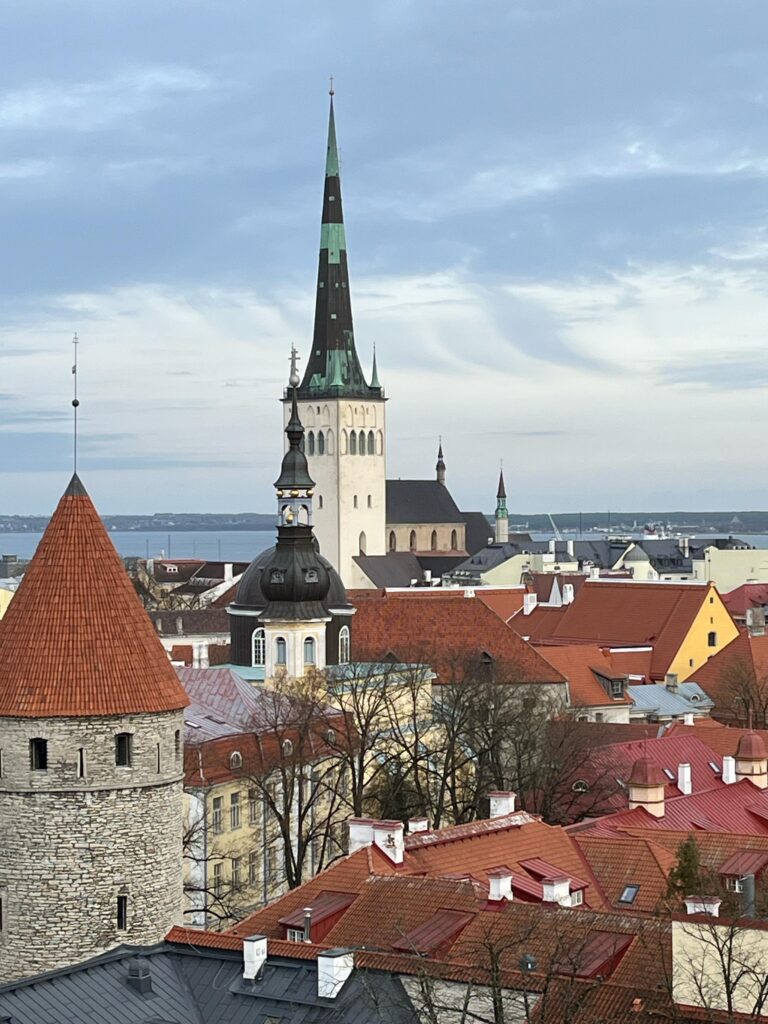
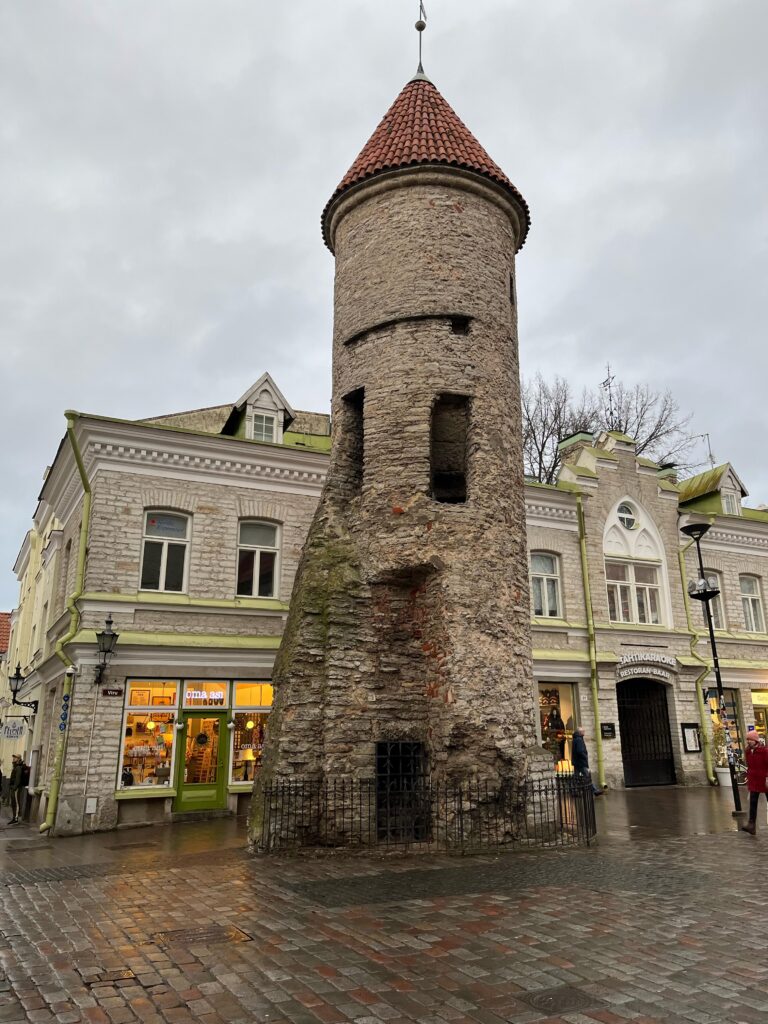
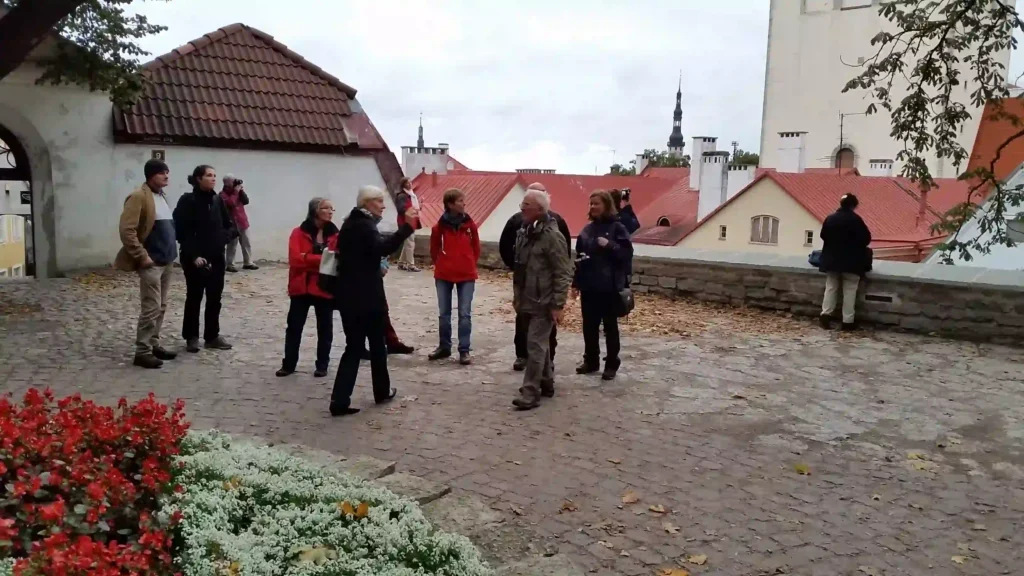
Today, we travel to Tallinn, the capital of Estonia. Our hotel is located directly next the Old Town. In the afternoon, we will meet for a two-hour guided tour. The tour will take us through one of the best-preserved medieval cities in Europe, with an original street system dating back to the 13th century. Many houses from the 15th century still stand in their original size and shape, and all the important and representative government buildings and churches are intact.
In the morning, there is still time for an individual city stroll. In the afternoon, you will be taken to the airport to catch your flight back home.
Price includes
Price includes
- Nature guide services for 7 days,
- 6 nights in local hotels and guesthouses (twin rooms with toilet and shower),
- Local transport,
- All breakfasts, 6 dinners, and 1 lunches ( as picnic packages)
- Night in the Brown Bear watching hide
- Boat trip to the seals on Baltic Sea
- Ferry tickets to island Hiiumaa and back
- Tallinn Old Town excursion
Price excludes
- Flights<br>Beverages during the meals